

What is the Right Deck Railing Height?
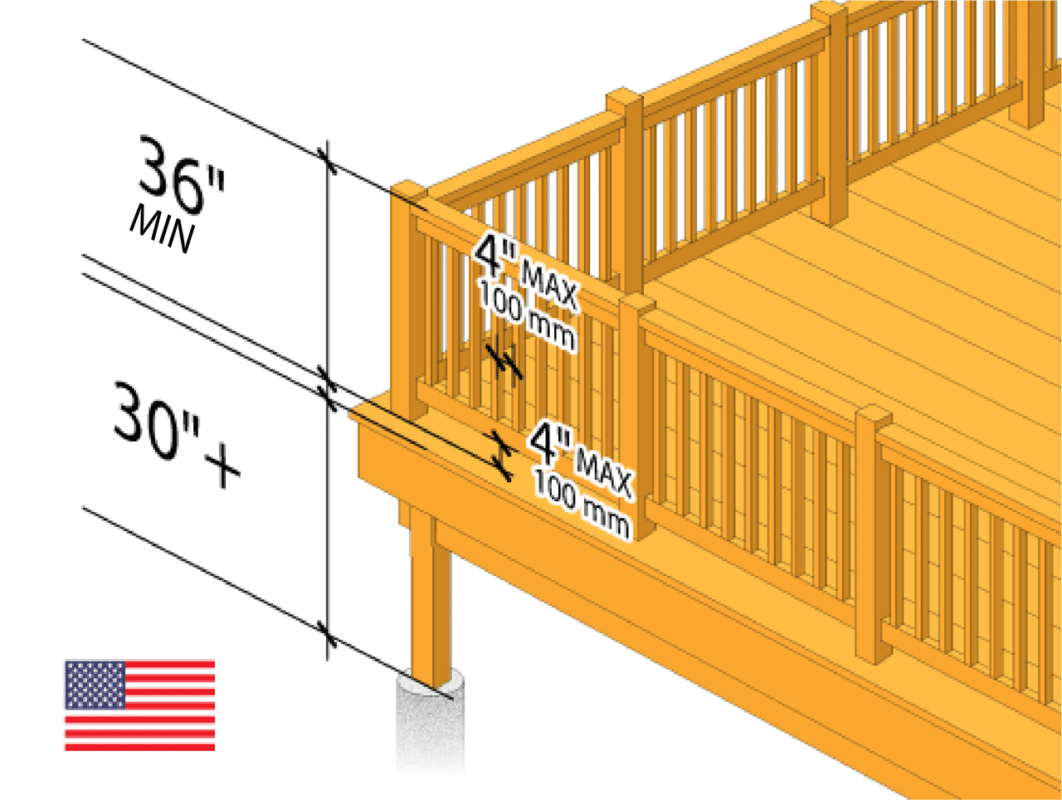
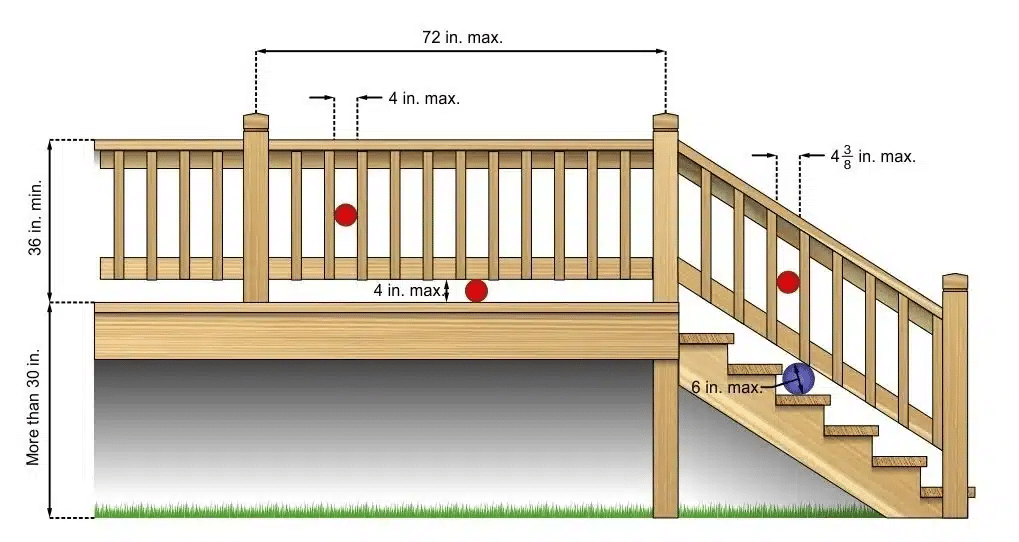
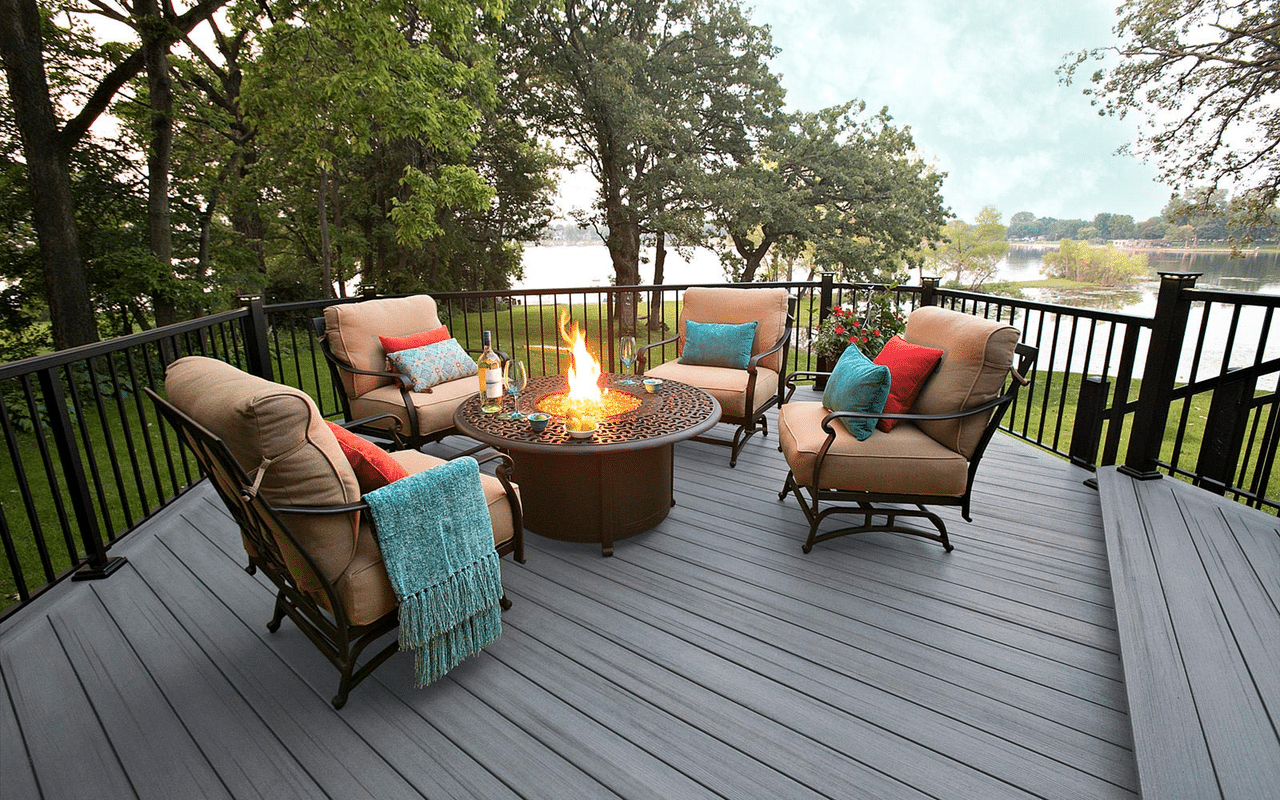
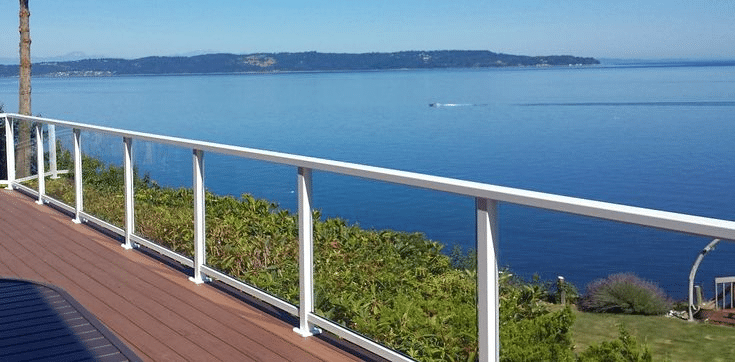
If a WPC deck is more than 30 inches (approximately 76 cm) above the ground, a deck guardrail must be installed to ensure safety and prevent falls. The height of deck railings varies depending on the use case and safety standards, which are typically defined by deck railing height codes. Generally:
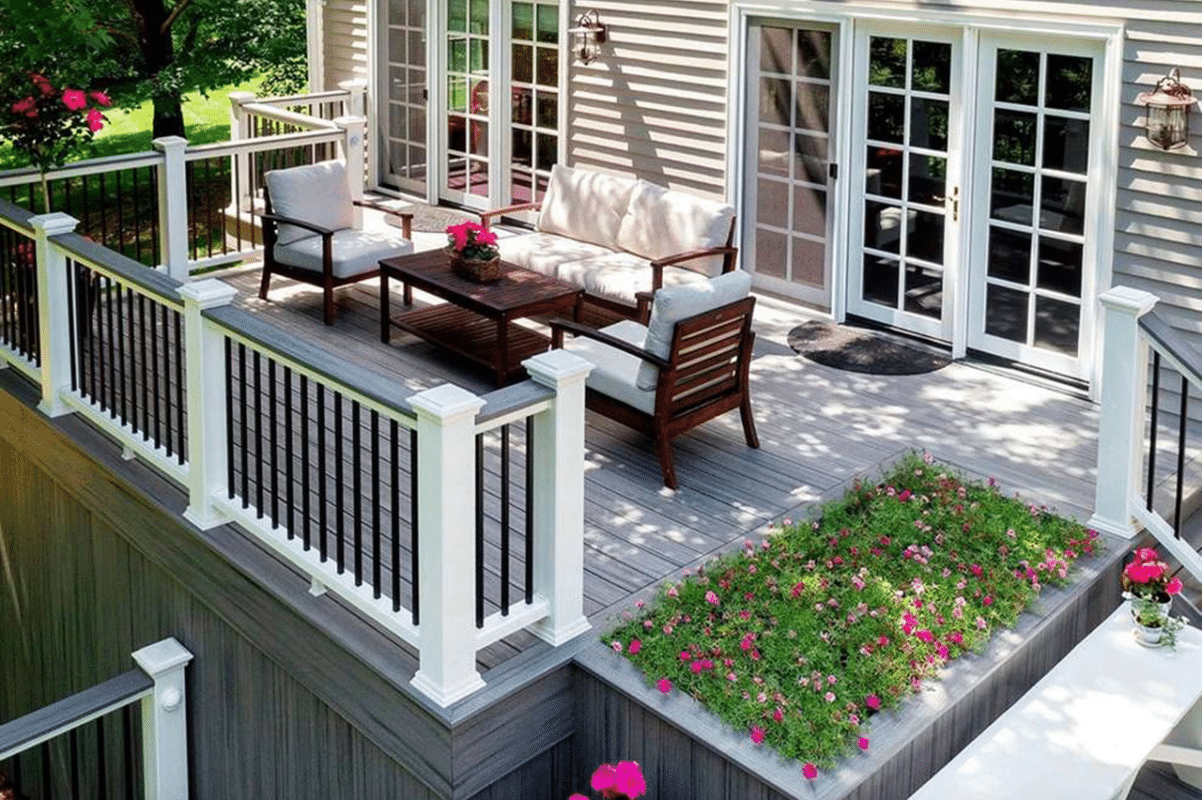
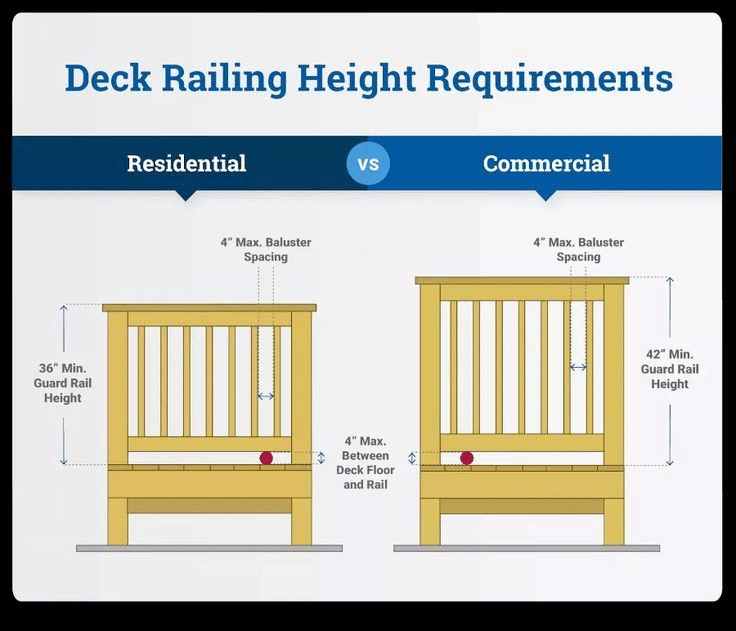
- Residential Decks: The standard railing height for residential decks is typically between 36 inches and 42 inches (914mm to 1067mm).
- Commercial Buildings: Deck railings are usually required to be 42 inches (1067mm). The height requirements for commercial buildings are stricter. According to U.S. standards, deck railings in commercial spaces must be at least 42 inches above the deck surface.
Next, we will explore the specific regulations and requirements for deck railing heights, how to choose the appropriate railing height, and the various factors to ensure both safety and aesthetics.
Deck Railing Height Regulations and Codes
Residential Deck Railing Height Code
Most private residential deck railing typically requires a height of at least 36 inches (914mm) for decks 30 inches (762mm) or more above the ground, and 42 inches (1067mm) in some areas, these regulations are derived from deck railing height codes (IRC), International building code (IBC) and OSHA regulations, See IBC 2018 Section 1012 and OSHA Stairways and Ladders Regulations (29 CFR 1926).
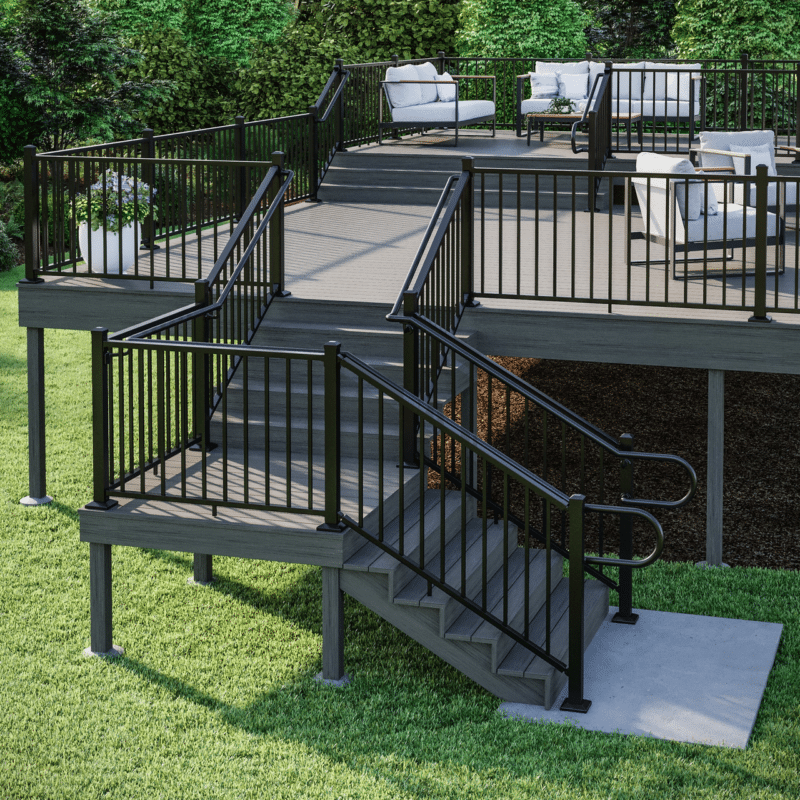
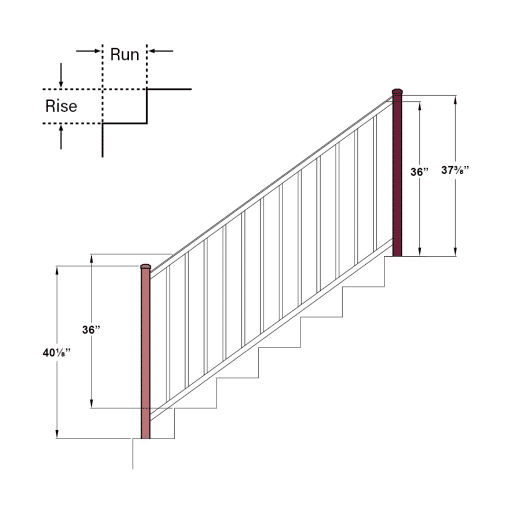
For Deck railing with stairs, IBC and OSHA stipulate that the height is generally 34 to 38 inches (864mm to 965mm) to ensure that the user can safely hold the railing.
Please refer to IBC 2018 Section 1012 and OSHA Stairways and Ladders Regulations (29 CFR 1926).
Commercial Deck Railing Height Code
| Region | Residential Deck Railing Height Requirements | Commercial Deck Railing Height Requirements |
|---|---|---|
| United States | Minimum 36 inches (approx. 914mm), some areas require 42 inches (approx. 1067mm) | 42 inches (approx. 1067mm) |
| Europe | 90cm to 1.1m (approx. 35.4 inches to 43.3 inches) | 1.1m to 1.2m (approx. 43.3 inches to 47.2 inches) |
| China | 1m (approx. 39.4 inches), some areas may require 1.1m (approx. 43.3 inches) | 1.1m to 1.2m (approx. 43.3 inches to 47.2 inches) |
| Middle East | 1m (approx. 39.4 inches), some areas require 1.1m (approx. 43.3 inches) | 1.1m to 1.2m (approx. 43.3 inches to 47.2 inches) |
| South America | 90cm to 1.1m (approx. 35.4 inches to 43.3 inches) | 1.1m to 1.2m (approx. 43.3 inches to 47.2 inches) |
Why is Deck Railing Height Important?
For residential decks and balconies, the railing height should range between 36 inches and 42 inches, depending on the height above the ground. Ensuring the safety of residential and commercial buildings is critical. Adhering to these regulations reduces the risk of accidents and avoids legal liabilities.
Measurement Method height of stair railing on deck
- Vertical Measurement: Measure vertically from the deck’s walking surface to the top of the railing.
- Multiple Point Measurement: Measure at multiple points to ensure consistent height.
- Use Vertical Tools: Ensure the measuring tool is vertical to guarantee accuracy.
Follow these methods to measure the railing height on deck stairs, ensuring compliance with safety requirements and adherence to the specific standards of deck railing height codes.
Deck Railing Requirements for Different Deck Heights
- Decks higher than 30 inches: Railings are mandatory.
- Decks lower than 30 inches: Railings are not required. According to the IRC, if the deck’s height is less than 30 inches (approximately 76 cm) above the ground, installing railings is not mandatory. This is because the risk of injury from falls is relatively low when the deck height is under 30 inches.
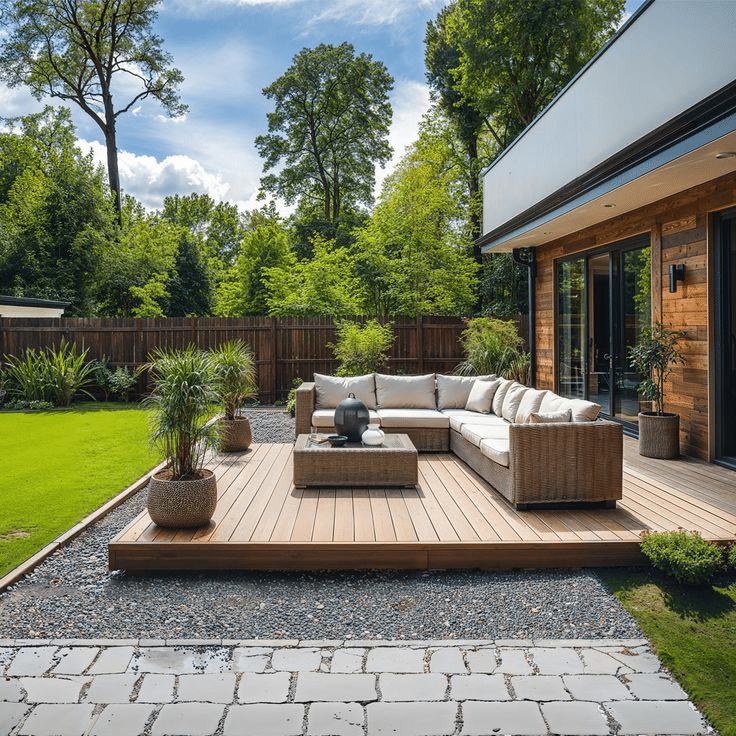
At the same time, a railing-free design provides greater aesthetic appeal and design freedom, especially for open-view spaces such as patios or garden decks. Additionally, it helps save costs.
Example:
Garden or patio WPC deck:
A deck 15 inches above the ground is used as a relaxation area in a family garden. Without railings, the deck naturally blends with the lawn, creating an open and connected feel. This railing-free design enhances openness, making it ideal for outdoor dining or placing outdoor furniture.
WPC Deck by the Pool:
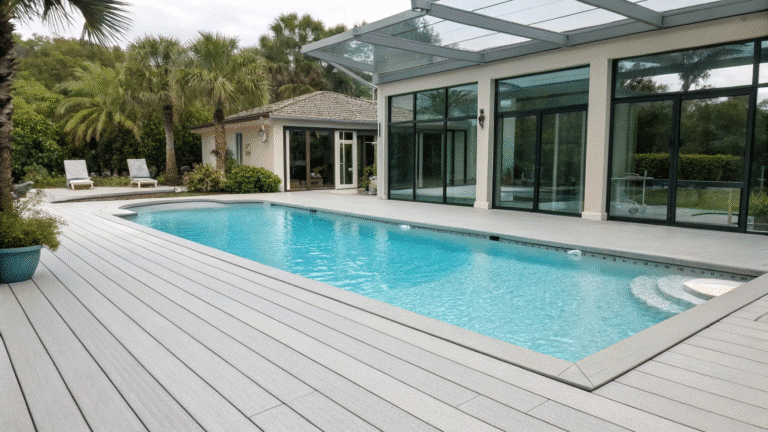
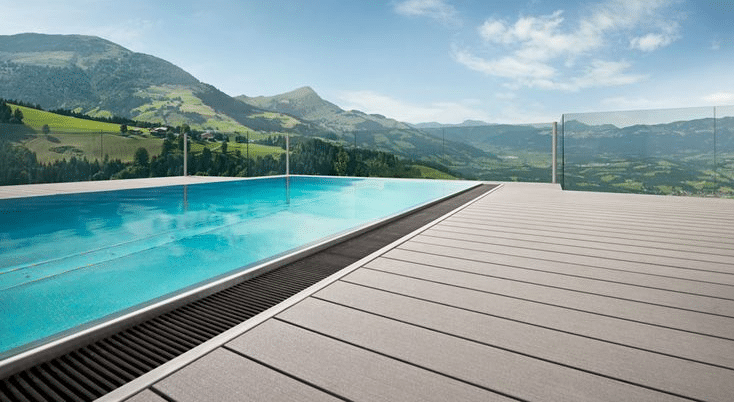
A deck approximately 24 inches above the ground is installed next to the pool without railings, allowing direct access from the deck to the pool.
The railing-free design creates a seamless connection between the deck and the pool area, while also offering a cleaner and more streamlined visual appearance.
Railing-Free Deck for Children’s Play Area:
A deck less than 30 inches high is designed as a play area for children, with no railings around it to allow children to move freely in and out.
Deck Railing Spacing Requirements
In addition to deck railing height regulations, there are clear requirements for the spacing between railings and their fillings.
Gap Between Railing Posts and Fillings
According to the International Residential Code (IRC) and the International Building Code (IBC), the gap between railing posts and fillings (such as vertical balusters, grids, etc.) must not exceed 4 inches (approximately 10 cm). This restriction is designed to prevent children, pets, or small objects from passing through the railings, thereby reducing the risk of falls.
Why is 4 inches a safe spacing limit?
Research shows that a 4-inch gap is the maximum distance through which a child’s head cannot easily pass. This regulation is especially crucial for households with children or public spaces, ensuring no accidental falls occur during play or activities.
For instance, if a deck railing uses metal vertical balusters with a spacing of more than 6 inches, children or pets could easily pass through these gaps, leading to potential safety hazards. Therefore, adhering to the 4-inch spacing standard is critical for ensuring both the stability and functionality of the railing.
Railing Post Spacing Guidelines
- Railing posts should generally be spaced no more than 72 inches (approximately 1.8 meters) apart for fence-style railings.
- For cable railings, the spacing should not exceed 4 feet (approximately 1.2 meters).
- If glass panels are used, the maximum recommended spacing is 5 feet (approximately 1.5 meters) to maintain structural integrity and safety.
These spacing requirements help ensure the stability and safety of railings, preventing falls and other potential hazards.
Material type of deck railing
| Material Type | Advantages | Disadvantages | Height Suitability |
|---|---|---|---|
| Wood Railing | – Provides a classic natural look, easy to customize. – Lower initial cost, suitable for traditional or rural styles. | – Susceptible to rot, insect damage. – Requires regular maintenance (painting or waterproofing). | 36 inches: Suitable for residential decks. 42 inches: Not recommended for commercial decks. |
| Metal Railing | – Durable, corrosion-resistant, almost maintenance-free. – Fits modern or industrial styles. | – May warp under high temperatures. – Requires anti-rust treatment, relatively higher cost. | 36 inches: Suitable for modern homes. 42 inches: Ideal for commercial decks. |
| Glass Railing | – Provides unobstructed views, suits modern designs. – Suitable for ocean-view high-rise residences, requires minimal maintenance. | – Higher cost. – Lower privacy, prone to fingerprints and stains. | 36 inches: Suitable for smaller decks. 42 inches: Ideal for high-rise decks. |
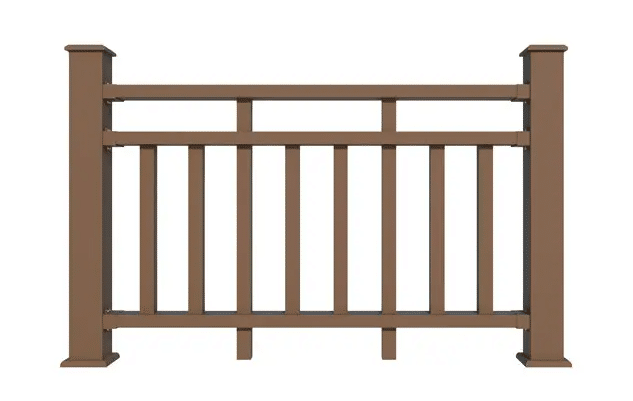
| Composite Railing | – Combines the advantages of wood and plastic, strong durability. – Corrosion-resistant, nearly maintenance-free. – Applicable to all deck needs, suitable for decks requiring both aesthetics and low maintenance. | – Higher initial cost. – Long-term exposure to sunlight may cause fading. | 36 inches and 42 inches: A universal choice for residential and commercial decks. |
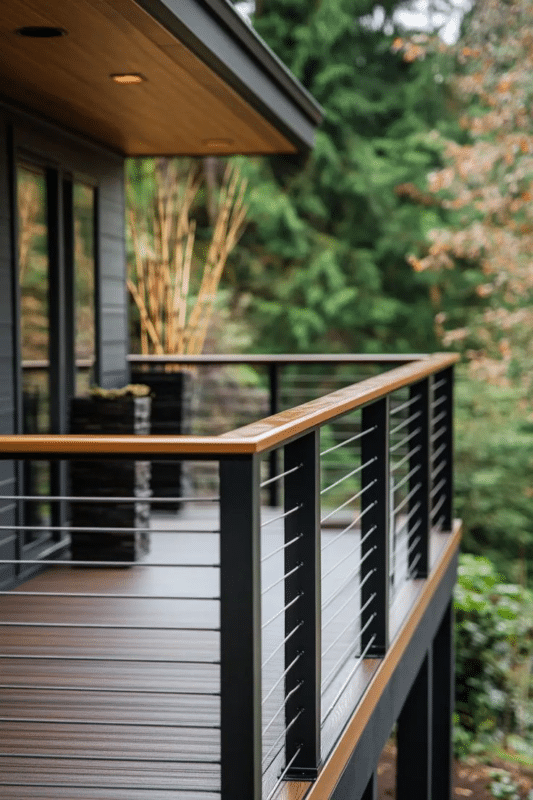
| Cable Railing | – Modern minimalist style, visually open. – Low maintenance, suitable for long-term use. | – Complex installation, higher initial cost. – Some regions may have regulatory restrictions on cable railings. | 36 inches: Suitable for modern homes. 42 inches: Ideal for high-traffic commercial areas. |
Summary:
- If you need to install residential deck railings (36 inches), wood or composite materials are recommended for their cost-effectiveness and practicality.
- If you are installing commercial deck railings (42 inches), metal, glass, or cable railings are ideal choices to ensure durability and compliance with safety regulations.
How to Choose the Right Railing Height ?
Compliance with Local Building Codes
Follow local building codes and safety standards as these requirements may vary by region.
These codes specify not only the railing height but also rules for baluster spacing and load capacity. For example, the International Residential Code (IRC) requires railings to withstand:
- 50 pounds per linear foot (approximately 0.74 kN/m) of uniform load.
- 200 pounds (approximately 0.89 kN) of concentrated load applied at any point.
- Safety Considerations:Ensure the railing height effectively prevents falls and meets the safety needs of the intended space.
- Material SelectionChoose materials that:
- Meet both aesthetic preferences and structural requirements.
- Provide overall safety.
Common materials include wood, steel, aluminum, and composite materials. Each has its advantages and disadvantages. Select the material based on environmental factors and design needs.
- Aesthetic and DesignThe railing height should balance safety and compliance while seamlessly integrating with the deck and surrounding architecture. It should enhance both functionality and visual appeal.
Need Deck Railings? Choose Ecoxplank!
Whether you’re looking to comply with regulations or enhance safety and aesthetics, Ecoxplank offers the perfect deck railing solutions for you. Ensure your deck is both safe and beautiful—choose Ecoxplank to make your home truly perfect!
- International Building Code (IBC 2018): International Building Code (IBC)
- OSHA Regulations – Stairways and Ladders (29 CFR 1926.1053): OSHA Regulations
FAQ
What is the Maximum Deck Height Without Railing?
30 inches (approximately 76 cm) above the ground, railings must be installed to ensure safety.
Therefore, the maximum height for a deck without railings should not exceed 30 inches. Heights below 30 inches are considered relatively safe, as the risk of injury from falls is lower.
What is the Optimal Height for Deck Railings?
- For residential decks that are more than 30 inches (approximately 76 cm) above the ground, the IRC (International Residential Code) requires a minimum railing height of 36 inches (approximately 91 cm).
- For commercial decks, the IBC (International Building Code) mandates a minimum railing height of 42 inches (approximately 107 cm).
What is the Maximum Height for Handrails on WPC Decks?
How to Choose the Right Deck Railing?
- 36 inches (Residential): Wood railings, composite railings, and metal railings are the primary options.
- 42 inches (Commercial): Metal, glass, or cable railings are recommended for their superior durability and compliance with commercial safety standards.
- Wood: Suitable for traditional styles.
- Metal and Glass: Ideal for modern designs.
- Wood railings: Lowest initial cost but higher maintenance expenses over time.
- Composite, metal, and glass railings: Higher upfront cost but lower maintenance requirements.
What are Deck Railing Height Codes?
According to deck railing height codes (IRC), the International Building Code (IBC), and OSHA regulations, the height requirements for deck railings are as follows:
- Residential Decks: For residential decks that are more than 30 inches (approximately 76 cm) above the ground, the minimum railing height is 36 inches (approximately 91 cm).
- Commercial Decks: Regardless of the deck height, the minimum railing height is 42 inches (approximately 107 cm) to ensure safety in high-traffic areas.
These codes are not only the foundation for ensuring safety but also critical for building compliance. Before designing or installing railings, always check local building regulations to ensure they meet the standards of deck railing height codes.
Balcony Railings Height vs Deck Railings Height
The standard height for regular balcony railings is typically 42 inches (approximately 107 cm).
- High-rise residential buildings must adhere to the 42-inch balcony railing height requirement.
- In public buildings, balcony railings must comply with commercial standards, requiring not only a height of 42 inches but also the use of impact-resistant materials such as tempered glass.
Balcony railings are generally used at greater heights, so the safety requirements are stricter to prevent falls from high levels. In contrast, deck railings in residential settings have a lower minimum height requirement of 36 inches (approximately 91 cm).
Railing Height on Deck Stairs
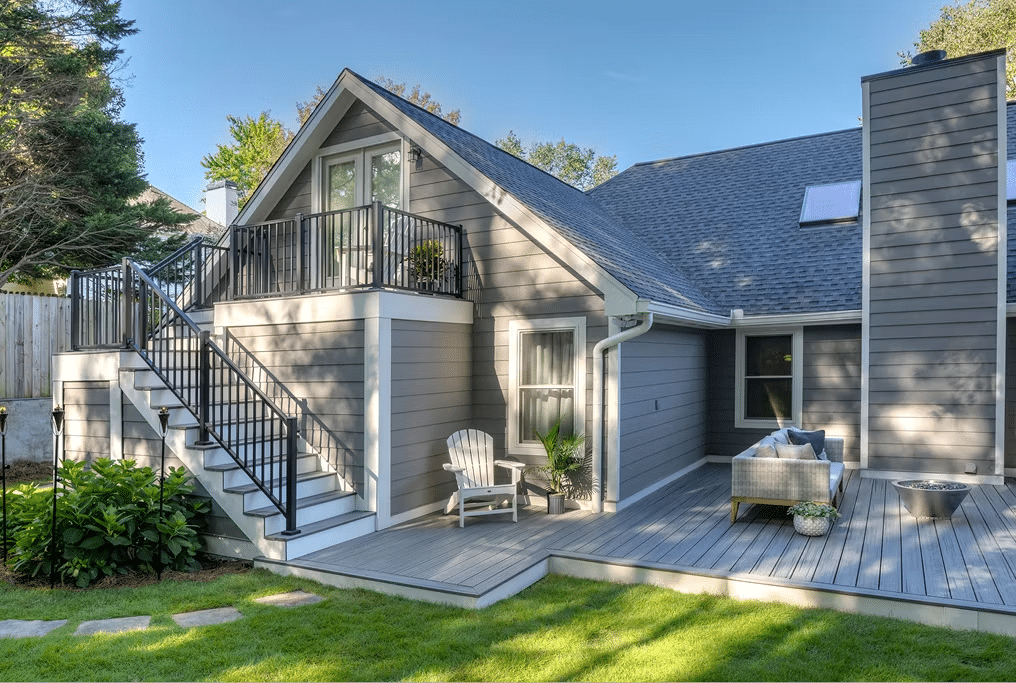
The height of stair railings must comply with the 34 to 38 inches standard (as specified by IRC and IBC) and must remain consistent throughout the entire stairway.
- For Deck Railings with Stairs, the IRC and IBC require handrail heights to fall between 34 to 38 inches (approximately 86 to 97 cm).
- Additionally, for open-sided stairs, platforms, and balconies, the minimum railing height must be 42 inches (approximately 107 cm), as mandated by OSHA 29 CFR 1926.1053.
2 thoughts on “What is the Right Deck Railing Height?”
Having a little trouble with jjwinlogin sometimes. Anyone else getting that ‘server busy’ message? Hope they fix it soon! Other than that its’ pretty smooth sailing. jjwinlogin
Grandpashabetguveilirmi… well, its a long name, haha. But overall, it has pretty nice games. If you aren’t doing anything, go ahead and try this one! Here you go: grandpashabetguveilirmi
Comments are closed.