Struggling to figure out the perfect deck size for your backyard? Feeling overwhelmed by the options and regulations? You’re not alone, and this is a common issue.
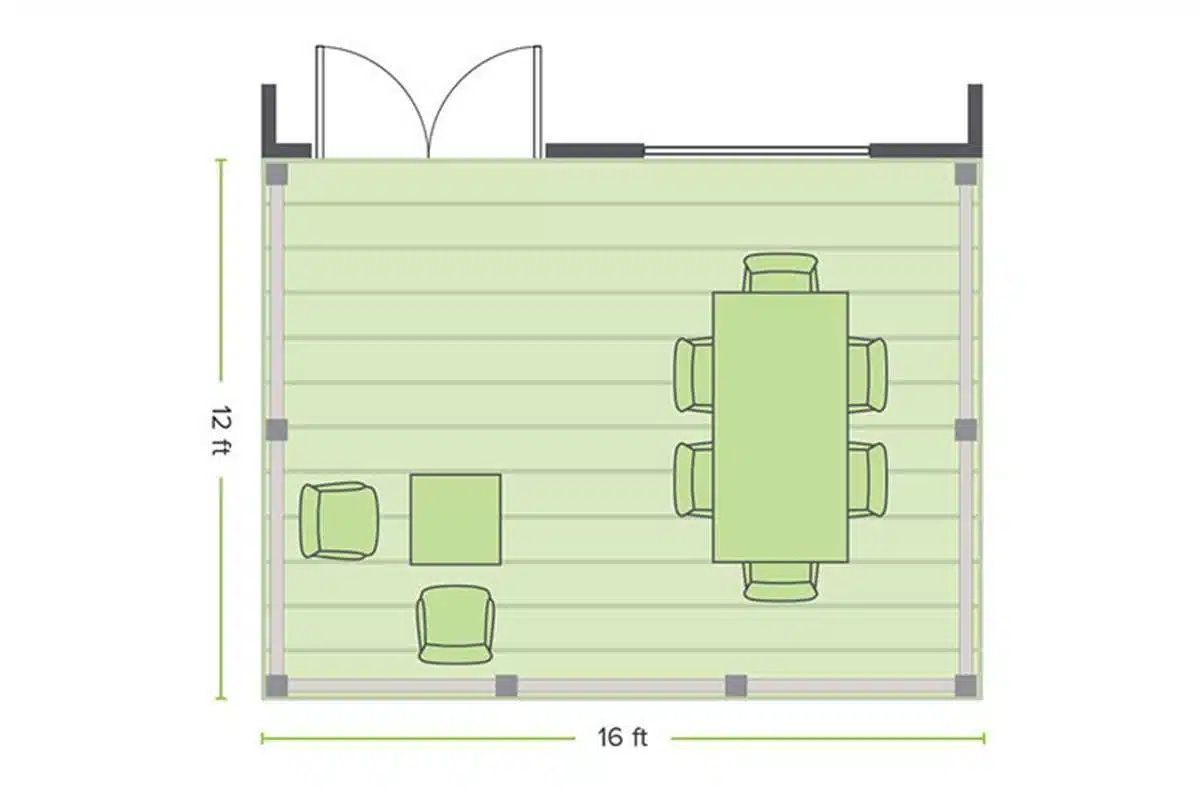
A standard deck size often ranges from 12×12 feet to 16×20 feet, but the "right" size depends entirely on your specific needs, property, and local regulations. There’s no one-size-fits-all answer.
But don’t worry, I’ll guide you, so let’s dive into how to determine the ideal deck size, ensuring it’s both functional and beautiful.
What is a Standard Deck Size and Why Does it Matter?
Are “standard” deck sizes really a thing? Do they truly dictate what will work best for you and your property? The answer is not black and white.
While there’s no official "standard," common deck sizes often fall between 12×12 and 16×20 feet. However, relying solely on these dimensions can lead to a deck that doesn’t meet your needs or fit your property harmoniously.

Dive Deeper: Beyond "Standard"
The concept of a "standard" deck size is misleading. It’s a starting point, not a solution. After 50 years in this, this is one of the most common issues. Here’s why it matters to move beyond that thinking:
- Functionality is King: A "standard" size might be too small for a family who loves to entertain or too large for someone who just wants a cozy reading nook.
- Property Proportions: A deck should complement the size of your house and yard. A "standard" deck might overwhelm a small home or look insignificant next to a large one.
- Local Regulations: Building codes and HOA guidelines often dictate minimum and maximum deck sizes. A "standard" size might not be compliant.
Here’s a table summarizing typical deck sizes and their common uses – a much more useful approach than just focusing on "standard":
| Deck Size (sq ft) | Approximate Dimensions | Common Uses |
|---|---|---|
| Small (100-200) | 10’x10′ to 12’x16′ | Small gatherings, personal relaxation, grilling |
| Medium (200-400) | 14’x14′ to 16’x25′ | Dining, entertaining small groups, lounging |
| Large (400+) | 20’x20′ and larger | Large parties, multiple activity zones, hot tubs |
Remember, these are just guidelines. Your ideal size will vary.
Key Factors to Consider When Choosing Deck Size
Feeling overwhelmed by all the choices? Ever feel like you’re just guessing when it comes to deck size1? It’s a big decision, and a common pain point.
To choose the right deck size, carefully evaluate your intended use, property size, budget, traffic flow, and local regulations. Don’t just pick a number – think strategically.
Dive Deeper: A Holistic Approach
Choosing the right deck size is like solving a puzzle. Each piece must fit perfectly. Here’s a breakdown of the key considerations:
1. Intended Use & Lifestyle:
- Primary Function: How will you primarily use the deck? Small gatherings or large parties?
- Entertainment Needs: How many people will you typically entertain? (General guideline: 20-24 sq ft per person).
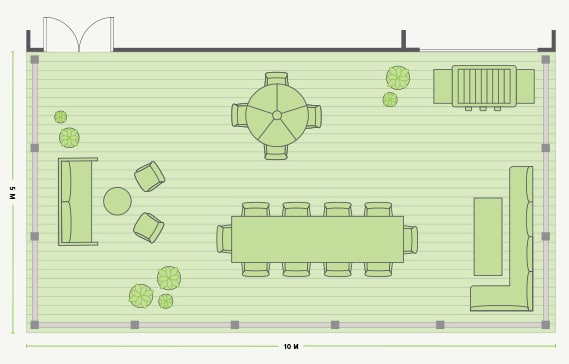
- Furniture and Features: Dining set? Lounge chairs? Grill? Hot tub? Each item needs space.
- Zones: Plan to creat different zones.
2. Property and Home Size:
- Proportionality: The deck should be in scale with your house. (Deck size should be under 20% of the home’s square footage).
- Available Space: Measure your yard, considering landscaping and setbacks.
- Multi-Level Decks: Consider this if yard space is limited.
3. Budget and Cost:
- Material Costs: WPC2 is a smart long-term investment because its durability means fewer replacements, cutting future costs. Plus, its low maintenance saves both time and money, making it a cost-effective option over time.
- Complexity: Intricate designs increase costs.
- Labor: Get multiple quotes.
4. Traffic Flow and Accessibility:
- Entry/Exit Points: How will people access the deck?
- Circulation: Plan for comfortable movement.
- Stairways: If stairs are need, it should be at least 4 feet wide.
5. Local Regulations and Permits:
- Building Codes3: Always check local codes.
- HOA Restrictions: Review HOA guidelines if applicable.
6. Future Considerations:
- Expansion: If you want to expand the deck, it is good to plan it now.
Design Tips to Maximize Space & Aesthetics
Does your outdoor space feel cramped or underutilized? Wondering how to make the most of your deck, regardless of its size? It’s a common challenge.
Maximize space and aesthetics by incorporating built-in seating, using multi-functional furniture4, choosing the right railing, and carefully planning the layout to optimize flow and create distinct zones.

Dive Deeper: Smart Design Solutions
Even a smaller deck can feel spacious and luxurious with clever design. Here are some tips:
1. Built-In Seating:
- Space Saver: Built-in benches take up less space than individual chairs.
- Customization: Design benches to fit your specific layout.
- Storage: Incorporate storage under benches for cushions and other items.
2. Multi-Functional Furniture:
- Flexibility: Choose pieces that can serve multiple purposes (e.g., an ottoman that doubles as a table or storage).
- Adaptability: This allows you to adapt the space to different needs.
3. Railing Choice:
- Visual Impact: Railings can significantly impact the perceived size of the deck.
- Openness: Cable railings or glass panels create a more open and airy feel.
- Privacy: Solid railings provide more privacy but can make the space feel smaller.
4. Layout and Flow:
- Zones: Create distinct areas for dining, lounging, and cooking.
- Traffic Patterns: Ensure clear pathways for easy movement.
- Focal Points: Draw the eye to attractive features, like a view or a fire pit.
5. Vertical Space:
- Planters: Use vertical planters to add greenery without taking up floor space.
- Lighting: String lights or wall-mounted sconces add ambiance and functionality.
6. Color and Texture:
- Consider using WPC decking with wood-grain textures.
Request Free WPC Samples & Design Consultation
Still unsure about which WPC product is right for your project? Want to see and feel the quality of our materials firsthand? We make it easy.
Request free WPC samples and schedule a design consultation to get personalized guidance and explore the best options for your outdoor space.
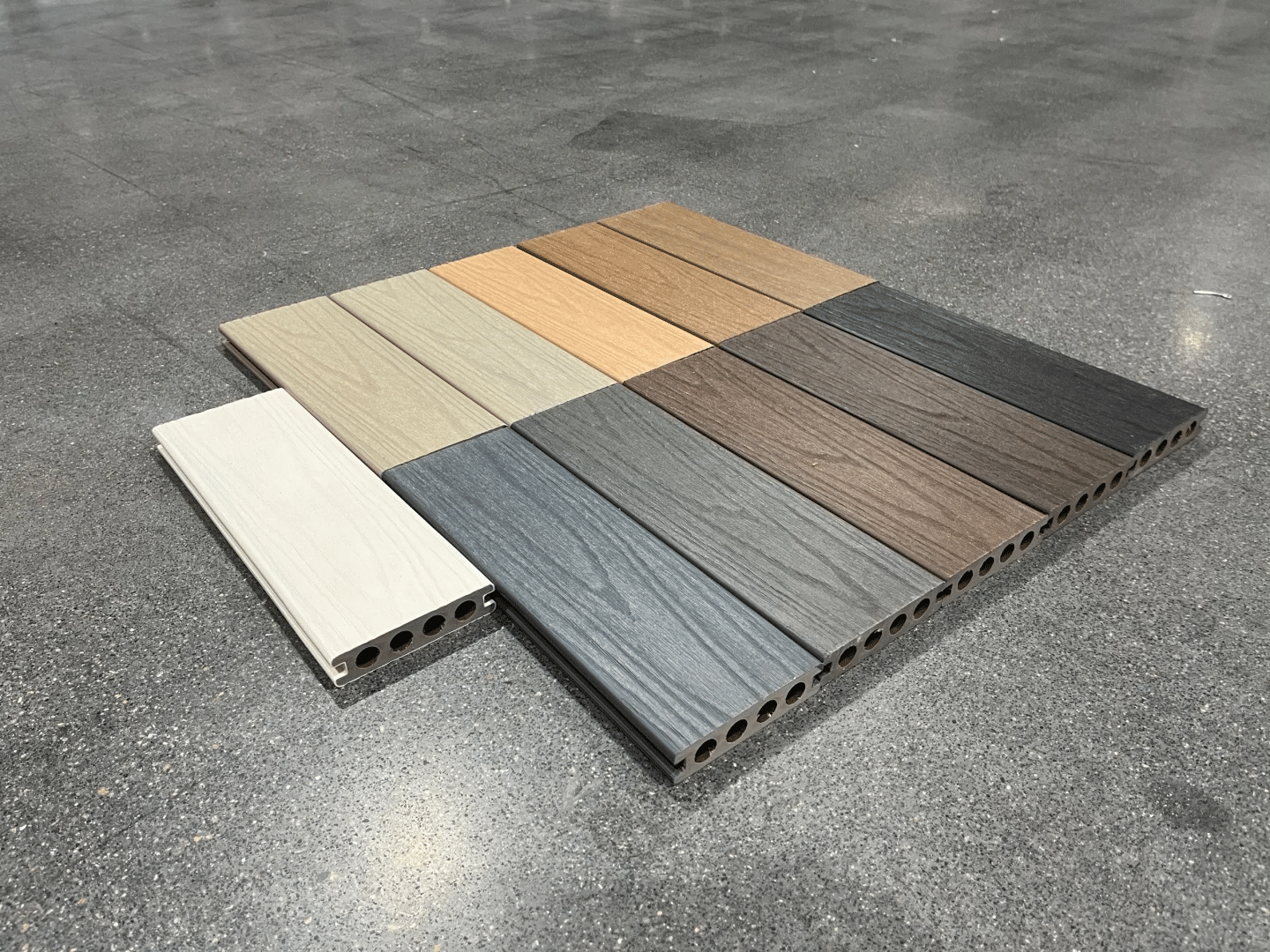
Dive Deeper: Experience the Ecoxplank Difference
We believe in empowering our customers with the information and resources they need to make informed decisions.
1. Free WPC Samples:
- Tangible Experience: See and feel the texture, color, and quality of our WPC decking.
- Variety of Options: Choose from a range of styles and colors to find the perfect match for your project.
- No Obligation: Requesting samples is completely free and doesn’t commit you to anything.
2. Design Consultation:
- Personalized Guidance: Discuss your project with one of our experts and get tailored advice.
- Q&A Session: Ask any questions you have about deck design, materials, or installation.
- Project Planning Support: We can help you develop a comprehensive plan for your deck.
3. Easy Request Process:
- Online Form: Simply fill out a short form on our website to request samples and schedule a consultation.
- Phone Call: You can also call us directly to speak with a representative.
4. Expert Team:
- I have been in WPC industry for almost 30 years, and I am confident to help with your project.
FAQ
Let’s tackle some frequently asked questions, addressing some common concerns and providing more specific guidance.
Is a 12×12 deck big enough?
It depends. A 12×12 deck (144 sq ft) is suitable for a small bistro set and a couple of chairs, or a grill and a small prep area. It’s not sufficient for larger gatherings, dining sets, or multiple activity zones. It might be enough for two people.
What are the typical dimensions for small, medium, and large decks?
- Small: 100-200 sq ft (e.g., 10×10, 12×16). Think intimate spaces.
- Medium: 200-400 sq ft (e.g., 14×14, 16×20). Good for dining and small gatherings.
- Large: 400+ sq ft (e.g., 20×20 and up). Ideal for large parties and multiple zones.
What is the minimum deck size for a hot tub?
The minimum deck size for a hot tub depends on the hot tub’s dimensions, but you’ll need at least an 8×8 foot area (64 sq ft) for the hot tub itself. You’ll also need additional space for access, safety, and potentially a cover lifter. A more realistic minimum is 10×10 feet (100 sq ft), and 12×12 feet (144 sq ft) is often recommended for comfort.
How does material choice affect deck size?
Material choice primarily affects cost and maintenance, not the size itself. WPC decking, while potentially more expensive upfront than some wood options, often requires less long-term maintenance, potentially offsetting the initial cost difference. The size of the deck is driven by your needs and property, not the material.
What is the cost difference between WPC and wood for a 6m x 4m deck?
A 6m x 4m deck is 24 square meters (approximately 258 sq ft). The cost difference between WPC and wood varies significantly depending on the specific wood species, WPC quality, local market conditions, and labor costs. It is hard to give an accurate estimate. However, WPC generally has a higher upfront material cost but lower long-term maintenance costs (no staining, sealing, or painting required). It’s best to get quotes for both materials from local suppliers to compare.
How much space should I leave around my deck?
You should leave enough space around your deck for comfortable movement and access. This depends on the surrounding landscape and how you plan to use the area. A general guideline is to leave at least 2-3 feet of clearance on all sides, but more may be needed for walkways, landscaping, or access to utilities.
What are the building codes for deck size and height?
Building codes for deck size and height vary significantly by location. Local municipalities and counties have their own specific regulations. These codes often address:
- Maximum Height: Limits on how high a deck can be above ground level.
- Setbacks: Minimum distances required from property lines.
- Railings: Requirements for railing height and construction on decks above a certain height (often 30 inches).
- Stairways: Specifications for stair width, rise, run, and handrails.
- Footings: Requirements for the size and depth of footings to support the deck’s structure.
- Load Capacity: The weight per that area a deck can hold.
You must check your local building codes and obtain the necessary permits before starting construction. Contact your local building department or permitting office for specific information. Failure to comply can result in fines, project delays, and even the forced removal of the deck.
Conclusion
Choosing the right deck size requires careful consideration of your needs, property, budget, and local regulations. Don’t be afraid to ask for help, and always prioritize safety and compliance with building codes. The perfect deck is an investment that enhances your outdoor living space for years to come.
-
Understanding the factors influencing deck size can help you make an informed decision for your outdoor space. ↩
-
Ecoxplank WPC Decking, designed for durability and aesthetics. ↩
-
Building Codes Guide, learn how to ensure your deck complies with local building codes and safety standards. ↩
-
Explore how multi-functional furniture can maximize your deck’s usability and style, making the most of limited space. ↩